Home
About Us
Practitioners
Partners
Communities
Programmes
Applications Management
Artificial Intelligence
CIO
Cloud Infrastructure
Cybersecurity
Data Engineering
Design
Digital Governance
GIROC
Others
Product Management
Smart Systems
Software Engineering
Schedule
Alumni
Success Stories
Events
FAQs
Home
About Us
Practitioners
Partners
Communities
Programmes
Applications Management
Artificial Intelligence
CIO
Cloud Infrastructure
Cybersecurity
Data Engineering
Design
Digital Governance
GIROC
Others
Product Management
Smart Systems
Software Engineering
Schedule
Alumni
Success Stories
Events
FAQs
Home
/
Programme
AZ-104 Microsoft Azure Administrator
Overview
Programme Structure
Fees & Schedule
Register
AZ-104 Microsoft Azure Administrator
Register
Enquiry
Programme Code
D15
Domain
Cybersecurity
Cloud Infrastructure
Software Engineering
Applications Management
Level
Intermediate
Learning Partner(s)
NetAssist Services
Duration
4 Days
Format
In-person
Rating
Job Roles
ICT&SS Professional
Instructors
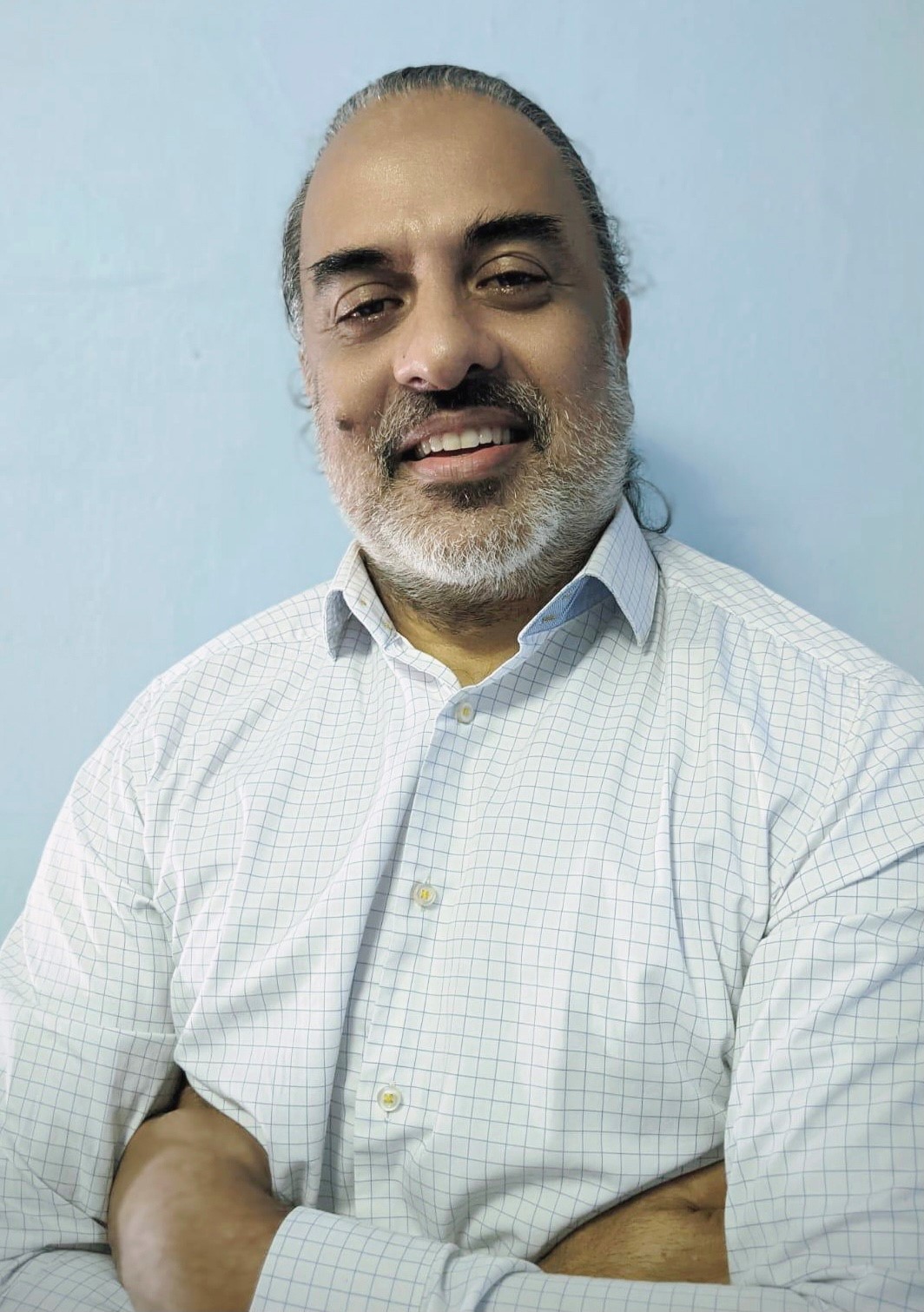
Mr Sarbjit Singh
Microsoft Certified Trainer, Trainocate Singapore
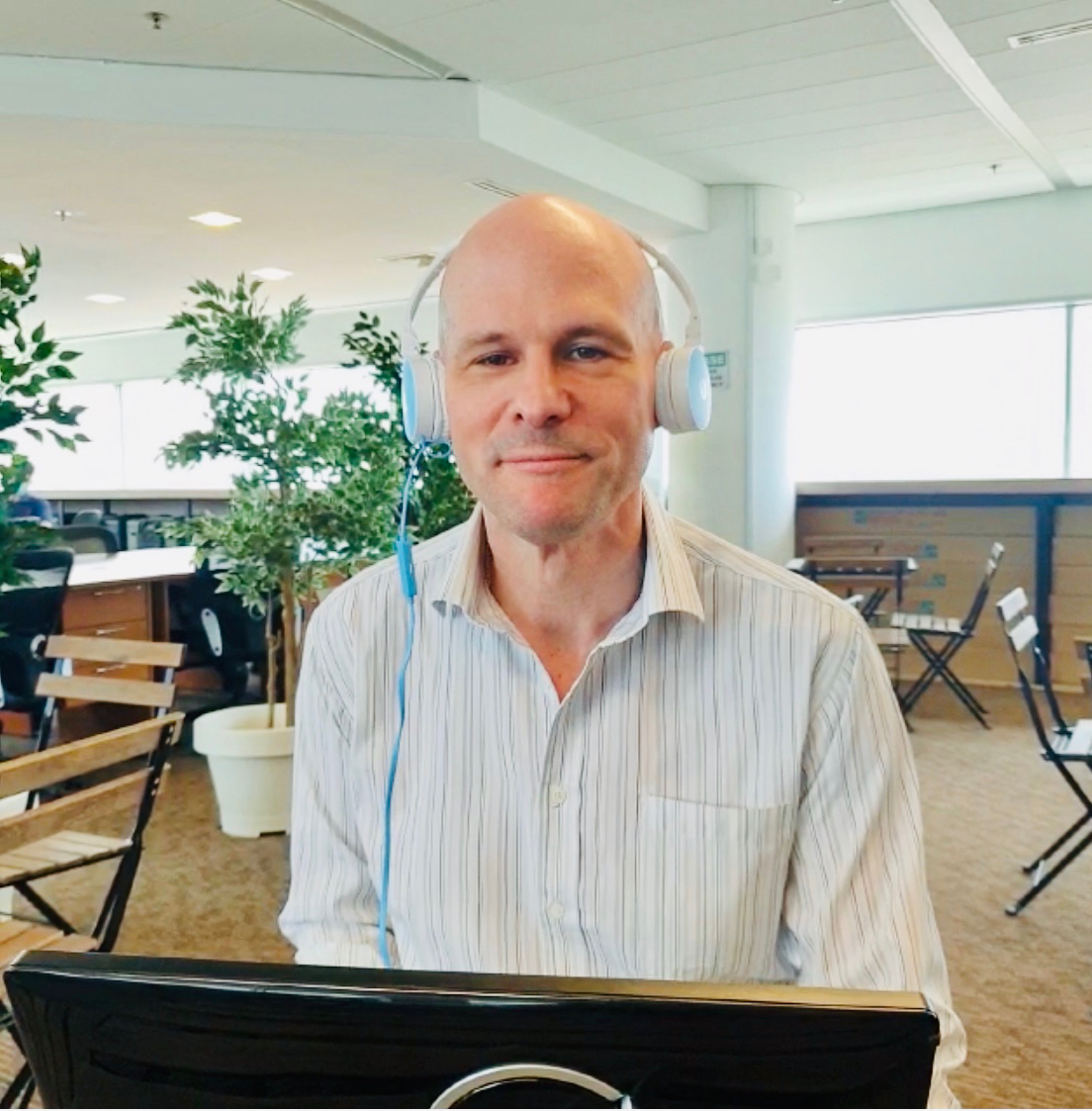
Mr. David Papkin
Senior Consultant Trainer
Mr. Lawrence Ng
Senior Principal Trainer
Mr. Ng Kim Wei
Principal Trainer
Upcoming Classes
Class 1
12 Jan 2026 to 15 Jan 2026 (Full Time)
Duration:
4 Days
When:
Jan – 12, 13, 14, 15
Time:
9:00 AM to 5:00 PM
Please contact us
here
(The_Digital_Academy_Admin@tech.gov.sg)
Testimonials
Fundamental concepts of Azure were presented very clearly.
Learning about VMs, containers and administration of these components was useful.
It was a good breakdown and explanation of Azure capabilities.
How To Register
×
For GovTech Officers:
Agency-sponsored (apply on Workday here)
Other WOG Officers
Agency-sponsored
Or self-sponsored
Connect with us on